
Last Updated on 6 months ago
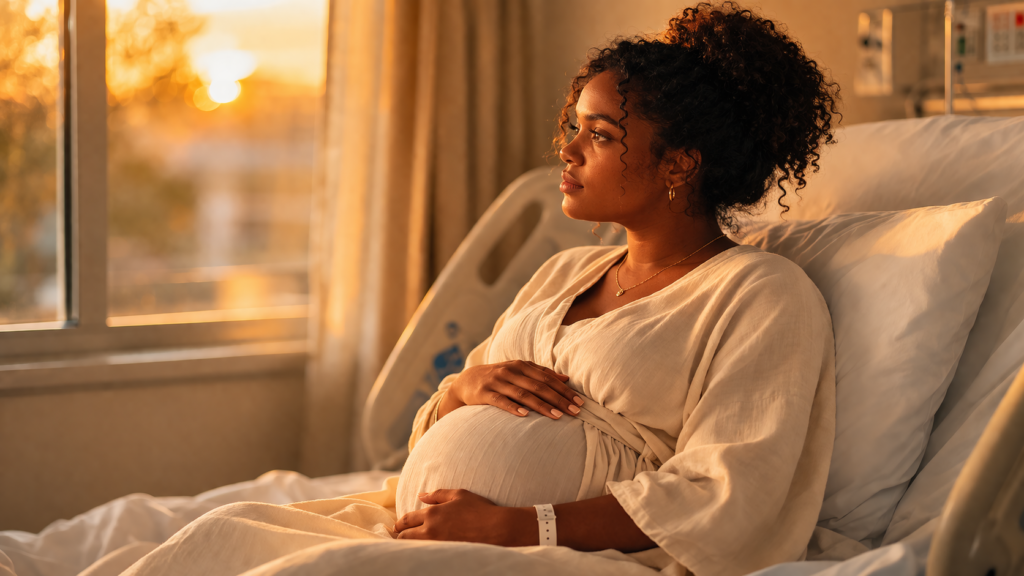
In 2019, I sat down with Kyla Canzater, a YouTuber known as Kyla Live, and asked her to share something deeply personal. Her story about what happened after she gave birth. About the crisis that almost took her. About what it means to be a Black woman in a delivery room where your pain isn’t taken seriously.
I was going by a different name then. The podcast sounded a little different. But the conversation? It was the same one we’re still having in 2026.
And that should bother all of us.
Black Maternal Health Week Is Not Just Awareness. It Should Be a Wake-Up Call.
April 11 through 17 is Black Maternal Health Week. It was created by the Black Mamas Matter Alliance to center and amplify the voices, perspectives, and lived experiences of Black mothers. And every year, the hashtags trend. The graphics get shared. The statistics get quoted.
We know the data. Black women in this country are three times more likely to die from pregnancy-related causes than white women. Three times. And that number climbs even higher for Black women in certain states and age groups.
The data is not new. The deaths are not new. The dismissal of our pain in medical spaces is not new.
Awareness is a starting point. But we have been at the starting point for years. What we need is action. And if we’re honest with each other, we need more of us to actually do something with the information we already have.
That’s why I went back to Episode 34.
Why I Went Back to Episode 34
When I recorded that episode, I was in a different season of my life and my brand. I was podcasting under my moniker, Isis. The Dope Black Chick Podcast was still finding her voice in a lot of ways, and so was I.
A lot has changed since then. I’ve grown. The brand has grown. I moved into my full name and my full calling as Kimberly, as a speaker, a community builder, a woman who is committed to having real conversations with real women about real things.
But here’s what hasn’t changed: the reason Kyla’s episode still matters.
When a conversation recorded seven years ago still feels current, that’s not a testament to how ahead of its time the episode was. That’s a testament to how slow progress has been. Kyla told her truth in 2019. And Black women are still telling the same truth in 2026, some of them from hospital beds, some of them from grief, and some of them from the other side of a crisis they almost didn’t survive.
I went back to this episode because it deserves to be heard again. And honestly? It deserves to be heard by more people than heard it the first time.
What Kyla Shared and Why It Still Matters
I don’t want to over-explain Kyla’s story here, because honestly, it deserves to be heard in her own voice. That’s the whole point.
What I will say is this: what happened to Kyla after she gave birth was not a fluke. It was not a worst-case scenario nobody could have predicted. It was what can happen when a Black woman’s pain is minimized. When her instincts are dismissed. When the system she is trusting with her life is not actually listening to her.
She sat down with me and she shared it with grace and clarity and a kind of honesty that I think we don’t give each other enough credit for. It takes something to go back to a scary place and put it into words so another woman might recognize herself in your story before it gets that far.
That’s the thing about testimony. It’s not just about releasing what you’ve been through. It’s about making sure somebody else feels less alone. Less crazy. Less like she has to fight by herself in a room full of people who are supposed to be helping her.
Kyla gave us that in 2019. And it’s still a gift.
The full episode is linked below. Please listen.
What We Can Actually Do Right Now
I want to be careful here, because I’m not interested in giving you a list of action steps that feel productive but don’t actually move anything. So let me keep this simple and honest.
Not as a homework assignment. As a human act of bearing witness to someone else’s experience. Kyla opened up so that her story could do something. Let it.
Share it.
Share the episode. Share this post. Share the statistics if that’s your lane. But share something. The biggest barrier to change is that too many people still don’t know. You know now. So pass it on.
Check on a Black woman in your life who is pregnant or recently postpartum.
Not a quick text. A real check-in. Ask her how she’s actually doing. Ask if she feels heard by her care team. Ask if she needs anything. And if she says she’s fine but something in you knows she’s not, keep showing up. We have got to stop waiting for each other to fall before we reach out.
None of this is complicated. It’s just asking us to care out loud.
The Conversation Isn’t Over. Let’s Make Sure More People Are In It.
Kyla shared her story so that another woman might not have to live it the way she did. That was the point in 2019. That’s still the point.
Black Maternal Health Week matters. But what happens after the week is over matters more. The awareness has to go somewhere. It has to turn into action, into advocacy, into showing up for each other in ways that are concrete and consistent.
I’m going to keep having these conversations here because this is what I believe: when we talk about the real things, when we stop softening the parts that are hard, we build something. We build women who feel less alone. We build community that actually holds people. We build the kind of trust that says, your life matters here.
Your life matters here.
Episode 34 of The Dope Black Chick Podcast is linked below. Listen. Then pass it on.
Frequently Asked Questions About Black Maternal Health
What is Black Maternal Health Week and when does it happen?
Black Maternal Health Week is observed every year from April 11 through 17. It was created by the Black Mamas Matter Alliance to center Black women’s voices and experiences in conversations about maternal health and to advocate for policy change, research, and community-driven solutions to the Black maternal health crisis.
Why are Black women more likely to die during or after childbirth?
Black women in the United States are three times more likely to die from pregnancy-related causes than white women. Research points to several contributing factors, including systemic racism within healthcare, implicit bias among medical providers, dismissal of Black women’s pain and self-reported symptoms, inadequate access to quality prenatal and postpartum care, and the cumulative stress of navigating racism. Income and education do not eliminate this risk. Even Black women with advanced degrees and higher incomes experience significantly worse maternal health outcomes than their white counterparts.
What can I do to support Black maternal health?
There are meaningful actions you can take. Listen to and share personal testimonies from Black women who have survived postpartum complications so that their stories reach people who need to hear them. Check on Black women in your life who are pregnant or postpartum, and ask real questions. Support organizations like the Black Mamas Matter Alliance and Sista Midwife Productions. Advocate for policies that address racial disparities in maternal care. And believe Black women when they tell you something is wrong.
What is The Dope Black Chick Podcast?
The Dope Black Chick Podcast is a podcast hosted by Kimberly, the founder of I Hear That Girl, that centers real conversations with and for Black women navigating life, identity, transition, and purpose. Episode 34 features Kyla Canzater, known as Kyla Live, sharing her personal experience with a postpartum health crisis and the ways systemic failures within healthcare contributed to it.
How can I help a Black woman who is pregnant or recently postpartum?
Start by showing up consistently, not just once. Check in with real questions about how she is feeling physically and emotionally. Ask whether she feels heard and respected by her medical team. Offer practical help with meals, childcare, or errands so she can rest. If she expresses concern about her symptoms, encourage her to advocate for herself and offer to go with her to appointments if possible. Trust what she tells you about her own body.