
Last Updated on 7 months ago
Before diversity became a marketing buzzword, **Ophelia DeVore was quietly changing the landscape of fashion and media. At a time when opportunities for Black models were almost nonexistent, she built spaces where Black talent could finally be seen, trained, and celebrated.
Her work didn’t just launch modeling careers. It helped reshape how Black beauty and professionalism were viewed in industries that had long excluded both.
And generations later, her legacy still matters.
Who is Ophelia DeVore?
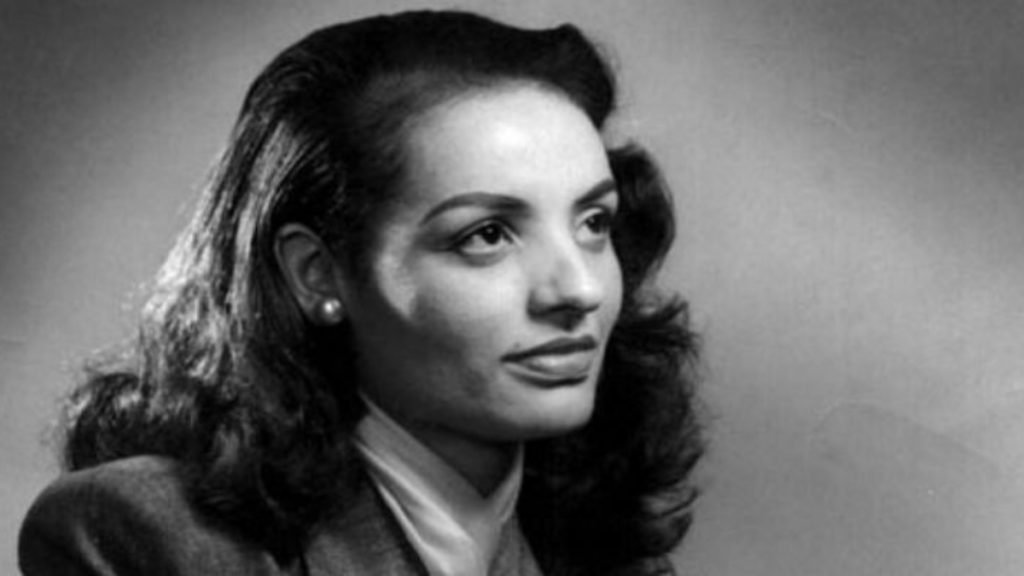
Emma Ophelia DeVore was born on Aug. 12, 1921, in Edgefield, S.C., one of 10 children of John Walter DeVore, a building contractor, and the former Mary Emma Strother, a schoolteacher.
Ophelia DeVore was a pioneering model, entrepreneur, and advocate for representation. In the 1940s and 1950s, she became one of the first Black women to build a modeling agency dedicated to developing and promoting Black talent.
Her agency trained young Black women not only in modeling, but also in professionalism, presentation, and confidence — skills that opened doors far beyond the runway.

At a time when Black women were often erased from fashion and media, Ophelia DeVore insisted that their beauty, intelligence, and presence belonged there.
And she created the infrastructure to make that belief real.
The Modeling Agency That Changed Opportunities
Through the Ophelia DeVore School of Charm and Modeling Agency, she mentored and represented aspiring models who might never have been given a chance otherwise.
Her work helped prepare Black women for careers in:
• modeling
• television
• advertising
• public relations
• corporate representation
This wasn’t just about fashion. It was about access.
DeVore understood something powerful: when Black women are prepared and visible, the world begins to change how it sees them.
Representation Before It Was Popular
“Black has always been beautiful,” Mrs. DeVore-Mitchell once said. “But you had to hide it to be a model.”
Today, conversations about diversity in fashion are common. Brands celebrate representation and inclusion as part of their public messaging.
But long before those conversations became mainstream, Ophelia DeVore was already doing the work.
She understood that representation wasn’t simply about visibility — it was about opportunity, training, and building a pipeline for future generations.
Her influence helped open doors for countless Black models and professionals who followed.
Why Ophelia DeVore’s Legacy Still Matters
For many Black women today, stories like Ophelia DeVore’s offer something deeper than historical information.
They offer perspective.
They remind us that the opportunities we see today often exist because someone before us was willing to create space where none existed.
And in many ways, her work reflects a larger truth about Black women’s history: progress often begins quietly, through determination, vision, and a refusal to accept limitations.
Honoring the Women Who Built Doors
When we talk about representation today, we often focus on the moment when things changed.
But stories like Ophelia DeVore’s remind us to look earlier — at the women who were building doors long before the world noticed.
Their courage continues to shape the opportunities we see now.
And their legacy deserves to be remembered.