
Last Updated on 1 year ago
A Night at the Terra
I watched Love, Brooklyn at the Tara Theater, this cozy little independent theater tucked away in Atlanta. From the moment the opening credits rolled, I felt like I’d stepped into something intimate, like eavesdropping on hearts mid-conversation. The film stars André Holland, Nicole Beharie, and DeWanda Wise—and while it’s a small movie, it carries big emotional weight.
Love, Brooklyn in a Glance
At its heart, this film is about Roger, a blocked writer drowning in distractions. Weed, alcohol, endless bike rides, long coffee shop chats, romantic entanglements—anything but facing the page. He’s torn between Casey, the woman of his past, and Nicole, who might represent his future. It’s about indecision. About the tension between longing and becoming.
The Vices That Keep Us Stuck
Watching Roger stumble through his days, I kept thinking: we all have vices. They aren’t always drugs or drinking—sometimes they’re our phones, social media, or the people we call when we should be writing, building, or healing.
Vices are distractions dressed as comfort. They keep us busy so we don’t have to be brave. For Roger, Casey became a vice. Even his best friend became one. Anything to avoid the stillness that real work—and real growth—requires.
The Pillar of Salt
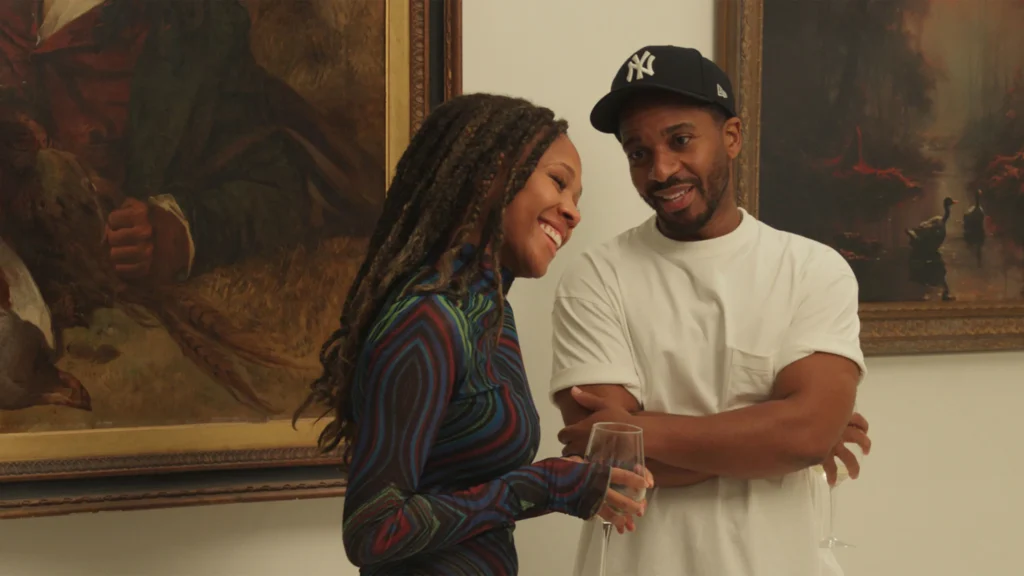
One of the most powerful scenes comes when Roger and Casey stand in an art gallery, staring at a piece about Sodom and Gomorrah. Casey says, “Sodom’s wife turned into a pillar of salt for looking back.”
That landed in my chest.
Salt preserves. It calcifies. If you keep looking back, you risk becoming frozen where you are—preserved in grief, regret, or nostalgia. Forward movement requires loosening your grip on what once was.
Roger can’t choose: stay calcified in the familiar or risk dissolving into the unknown.
The Women Who Move Forward
Dewanda Wise’s character, Nicole, is a single mom navigating her own grief. She misses her late husband, but she’s trying to live again. When Roger wallows, she cuts through: “Everything is not always about you.”
That line.
It’s the reminder so many of us need when we’re lost in our own spirals: love is not just about being understood—it’s about showing up for others even while you’re still healing.
The Messy Middle of Love
Love, Brooklyn isn’t soft-focus romance. It’s tender and tense, poetic and painful. And that’s what makes it powerful.
This isn’t a film about happily-ever-after. It’s about the hard, human work of choosing forward even when your heart still whispers for the past. It shows how grief and desire can tangle, how love demands presence, and how indecision quietly kills momentum.
Why This Matters for Black Women in Transition
As Black women, many of us know what it’s like to be both grieving and growing at the same time—to be called to move forward while something in us still wants to look back. This film shows that tension without judgment.
It’s art for anyone standing at a threshold, trying to decide who to be next.
Closing Reflection
If you’re searching for black romance films 2025 that go deeper than meet-cutes and grand gestures, Love, Brooklyn is the one. It’s messy. It’s real. It’s beautiful.
And it reminded me: vices are easy, looking back is seductive, but only choosing forward will set you free.
Affirmation: I release what calcifies me. I choose forward.